

Protecting students and staff requires more than individual safety tools. Going for a layered security system combines surveillance, access control, emergency alerts, and monitoring platforms to protect modern campuses. By integrating these technologies, schools gain better visibility, faster incident response, and stronger safety management across entire districts.
Across Texas and Oklahoma, schools increasingly rely on integrated solutions to build security strategies that cover entire districts and campuses.
What Is a Layered Security System for Schools
A layered school security system protects campuses through several levels of safety technology and procedures. Instead of relying on a single tool, schools combine multiple security measures to detect threats at different points.
Security experts now recommend protecting schools through multiple safety layers. Each layer focuses on a different part of the campus, from the parking lot to classroom hallways. When these layers work together, they create a stronger defense against threats and improve daily campus safety.
Security professionals typically divide school protection into four main layers:
District-Wide Security Management
School districts create unified security policies and centralized monitoring systems that oversee multiple campuses.
Campus Perimeter Security
Outdoor cameras, lighting, and vehicle monitoring systems protect parking lots, entrances, and athletic areas.
Building Perimeter Protection
Controlled entry points, door alarms, and access control systems regulate who enters the building.
Interior Monitoring and Response
Indoor cameras, emergency alerts, and incident management tools monitor activity inside the school.
Why School Districts Are Shifting to Integrated Security Systems
Traditional security setups often created gaps in protection, as everything had to be monitored separately. But integrated security systems connect these technologies into a single platform.
When systems work together, schools gain several advantages: Faster incident response. If an alarm triggers, administrators can immediately view the nearby camera footage. By utilizing centralized monitoring, district leaders can monitor multiple campuses from one control center.
Improved emergency coordination, Administrators can lock doors, send alerts, and review live surveillance at the same time. These unified models of security systems allow your staff to manage campus safety more efficiently while reducing response delays during emergencies.
The First Security Layer Protecting School Perimeters
Perimeter security focuses on monitoring the areas surrounding a school before anyone enters the building. Security teams typically monitor:
- Parking lots
- Bus drop-off zones
- Playgrounds
- Walkways and entrances
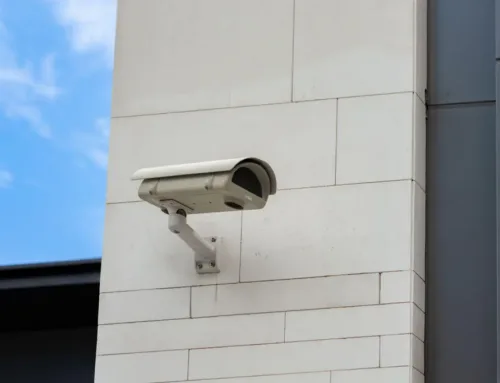
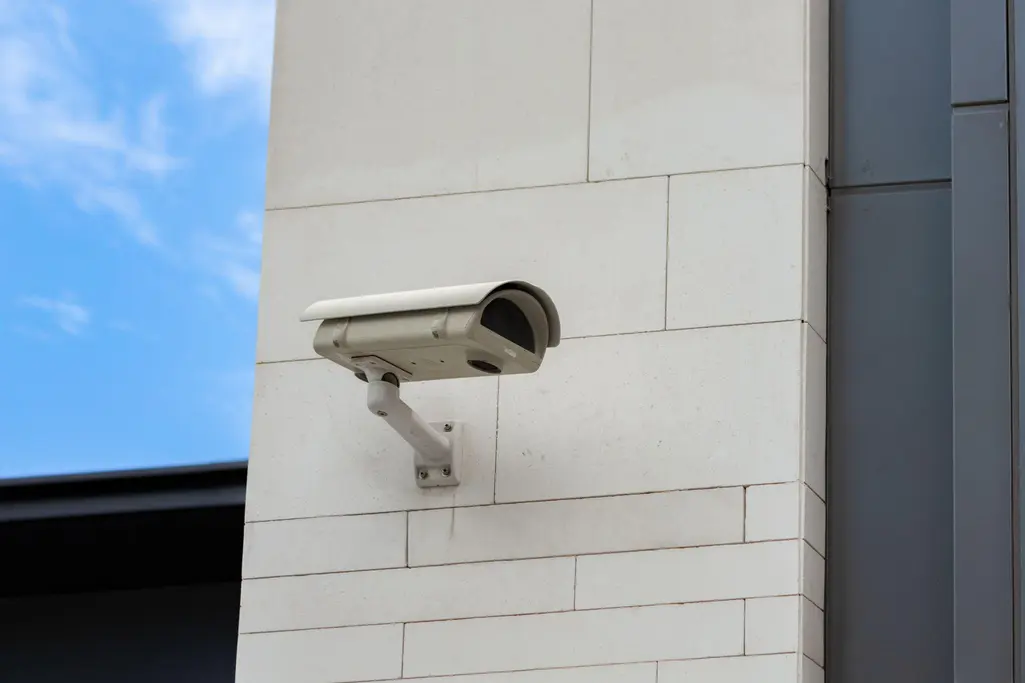
Common perimeter technologies include outdoor surveillance cameras. These high-resolution cameras monitor activity across large areas of campus.
- License Plate Recognition Systems: These tools identify vehicles entering school property.
- Smart Motion Detection: Sensors detect movement after hours or in restricted areas. This early detection allows security staff to intervene before a situation reaches the building itself.
Building Entry Security
Schools must control who enters the facility while allowing safe access for students, staff, and visitors. Access control systems help manage this process.
Door access systems also record entry activity. Administrators can review logs to see when doors opened and which credentials were used. If an unauthorized entry occurs, staff can quickly investigate the incident using access logs and surveillance footage. Some of the features are
- Electronic keycard access
- Mobile phone credentials
- Visitor management systems
- Controlled entry vestibules
Interior Surveillance and Monitoring Inside Schools
Interior monitoring provides visibility inside school buildings. Cameras placed in strategic locations help administrators observe activity and investigate incidents.
Video surveillance provides several benefits. It discourages misconduct, supports incident investigations, and improves staff awareness of activity throughout the building. Modern IP-based surveillance systems also allow administrators to review footage quickly when incidents occur. Common indoor camera locations include:
- Hallways
- Entrances and exits
- Cafeterias
- Libraries
- Gymnasiums

AI and Smart Analytics in School Security Systems
Many modern school security systems now use artificial intelligence to analyze video footage in real time. AI tools help security teams identify unusual behavior without watching screens constantly.
Some systems can even detect disturbances using audio analytics or environmental sensors. These tools send automatic alerts when potential threats appear, allowing faster response from security staff.
Examples include:
- Motion detection alerts
- Facial recognition for unauthorized individuals
- Detection of unusual activity or fights
- Object recognition for suspicious items
Emergency Response Technology for School Safety
When emergencies occur, staff must be able to communicate and act immediately. Many campuses now use:
Duress and Lockdown Buttons
These allow staff to trigger emergency alerts instantly. Two-way communication systems, intercoms, and radio integrations allow staff to coordinate responses quickly.
Automated Incident Reporting Tools
These systems log events and assist security teams during investigations. Quick communication between teachers, administrators, and security personnel can significantly reduce response time during emergencies.
Specialized Safety Tools Schools Are Adding Today
Beyond traditional cameras and alarms, many schools are adopting new technologies designed for specific safety concerns. Security providers have installed hundreds of thousands of safety devices across schools and public buildings to support safer learning environments.
Examples include:
- Vape Detection Sensors: Sensors placed in restrooms and locker rooms alert staff when vaping occurs.
- Body-Worn Cameras for School Resource Officers: These cameras record interactions and improve transparency.
- Drone Detection or Monitoring Tools: Some districts monitor airspace around large campuses or events.
Why Professional Security Design Matters for Schools
Installing security equipment alone does not guarantee effective protection. A successful security system requires careful planning based on campus layout, traffic flow, and operational needs.
Professional integrators evaluate:
- Campus entry points
- Lighting conditions
- High-traffic areas
- Emergency response procedures
Experts also make sure that surveillance, access control, alarms, and analytics tools work together as one integrated system. Organizations design custom security systems that integrate technology and monitoring into a single safety platform for schools and institutions.
FAQ
What is layered security in schools?
Layered security means protecting campuses using multiple safety systems that work together. These typically include surveillance cameras, access control systems, alarms, and emergency response tools.
How do surveillance cameras help school safety?
Security cameras help staff monitor activity across campus, deter misconduct, and provide video evidence during investigations.
What technologies are used in modern school security systems?
Modern systems may include AI video analytics, access control systems, license plate recognition, duress buttons, and visitor management software.
Why do schools need integrated security systems?
Integrated systems connect different security tools into one platform. This improves monitoring, speeds up emergency response, and allows administrators to manage safety operations efficiently.
Digi Security Systems specializes in designing and installing integrated school security systems that help campuses build safer learning environments for students, teachers, and visitors. Contact us to know more about the security system.