
Downtime at a critical infrastructure site costs more than lost production time. It puts people at risk, exposes facilities to theft and sabotage, and creates gaps that bad actors can exploit before anyone notices. The fix is round the clock intelligent monitoring that catches problems the moment they start, not hours after the damage is done.
Critical infrastructure covers the sites that communities depend on every day. Water treatment plants, power facilities, government buildings, courthouses, manufacturing plants, and utility operations all fall under this label. When one of these sites goes dark, even for a short stretch, the ripple effects reach far beyond the property line.
This guide breaks down what downtime actually costs, why traditional security falls short for critical operations, and what a modern, always-on monitoring approach looks like in practice across Texas, Oklahoma, and Arkansas.
What Counts as Critical Infrastructure?
Critical infrastructure includes any facility whose failure would disrupt public safety, essential services, or the regional economy. This spans government offices, courthouses, utility plants, manufacturing sites, and healthcare facilities. If a community would feel the impact within hours of that site going offline, it qualifies.
The impact of downtime varies significantly by facility. While a temporary closure may cause an operational disruption for one organization, an outage at a water utility or loss of access control at a courthouse could affect essential services, public safety, and day-to-day operations. Those higher stakes require a different level of protection and preparedness.
Government facilities like offices, courthouses, utilities, and community centers carry high responsibility and require dependable security that manages access, monitors busy areas, and secures restricted zones. Manufacturing plants face a related but distinct challenge: heavy machinery, multiple entry points, contractors moving in and out, and equipment worth protecting around the clock. Both categories share one thing in common. A gap in coverage, even briefly, can turn into a costly incident.
Why Does Downtime Cost So Much at Critical Sites?
Downtime at a critical facility costs more than the hours lost. It includes emergency repair costs, regulatory penalties, reputational damage, and in some cases, direct risk to public safety. For government and utility operations, a single unmonitored gap can also mean a missed security breach that goes unnoticed for days.
Most people think of downtime purely in financial terms, like a factory line stopping or a system going offline. That is only part of the picture at a critical infrastructure site.
Here is what stacks up when monitoring fails or coverage has a blind spot:
- Emergency response costs. Sending technicians or law enforcement out after an incident is far more expensive than preventing it. Reactive responses also take longer, since nobody was watching when the problem started.
- Regulatory and compliance exposure. Government buildings, courthouses, and utilities often answer to state or federal oversight. A documented security gap can trigger audits, fines, or loss of contract eligibility.
- Public trust damage. A courthouse breach or a utility outage tied to a preventable security failure becomes a public story fast, especially in smaller Oklahoma and Arkansas communities where local news covers these incidents closely.
- Equipment and asset loss. Manufacturing sites carry expensive machinery and inventory. An unmonitored after-hours breach can mean stolen tools, vandalized equipment, or tampering that halts production for days.
- Staff safety risk. Employees working night shifts or alone in large facilities depend on monitoring systems to flag trouble before it escalates. Without that layer, response time depends entirely on someone noticing something is wrong.
None of these costs show up on a maintenance budget line item, which is exactly why they get underestimated until an incident forces the conversation.
How Does 24/7 Monitoring Actually Prevent Downtime?
Round the clock monitoring works by catching abnormal activity the moment it happens, not after a review of footage the next morning. A trained team or intelligent system watches live feeds, sensor data, and access logs continuously, so a response can start within minutes instead of hours.
Traditional security setups often rely on cameras that record footage nobody reviews until something goes wrong. That approach documents an incident. It does not prevent one.
Security should be preventive, not reactive. Proactive monitoring paired with real time alerts changes the entire timeline of an incident response. Instead of a security guard walking a perimeter every few hours, a live feed and sensor network flags unusual movement, forced entry, or equipment tampering as it occurs.
A security operations center that runs 24/7 maintains constant surveillance and stays prepared for rapid response the moment a threat is identified. These features work best when paired with automated incident reporting, so the right people get notified without someone having to manually review hours of video.
Here is how the process typically plays out at a manufacturing or government site:
- A sensor detects abnormal activity, such as a door held open past its scheduled window or a motion trigger in a restricted zone.
- The monitoring team instantly pulls up nearby camera feeds to assess the situation in real time.
- Supervisors or law enforcement get notified immediately, along with exact location data.
- Employees or staff nearby receive alerts so they know where to go and what to avoid.
- Incident data gets logged and reviewed afterward to strengthen procedures and training going forward.
That last step matters more than most facilities realize. Every incident, even a false alarm, becomes a data point that helps refine coverage and reduce blind spots over time.
What Technology Makes Up an Intelligent Monitoring System?
An intelligent monitoring system combines video surveillance, access control, intrusion alarms, and analytics into one connected platform. Instead of managing separate tools, facility teams get a single view of what is happening across the property in real time.
A handful of layered technologies work together to make this possible.
Video surveillance with real-time review. IP-based cameras allow monitoring teams to search hours of footage in seconds instead of scrubbing through recordings manually. This matters most during an active incident, when every minute counts.
Access control and electronic credentials. Restricted zones, whether that is a courthouse records room or a plant's chemical storage area, stay locked down to authorized personnel only. Every entry gets logged automatically.
Intrusion alarms and cloud-based systems. Cloud-based security systems mean a facility manager in Tulsa can check alarm status or camera feeds from a phone, without being physically on-site. This is especially useful for utility sites and remote government facilities that are not staffed around the clock.
Analytics and AI-driven detection. Modern analytics tools flag unusual patterns, like a vehicle circling a perimeter multiple times or a door accessed outside normal hours. This reduces the number of false alarms a monitoring team has to sort through, so real threats get faster attention.
License plate recognition. For sites with vehicle access, like utility yards or government parking structures, license plate recognition adds another layer of accountability by logging every vehicle that enters or exits.
Mass notification systems. When an incident does occur, getting the right message to staff quickly limits confusion and helps everyone respond appropriately, whether that means sheltering in place or evacuating.
The value of these tools comes from integration, not from adding more individual gadgets. A camera system that cannot talk to the access control platform creates more manual work, not less.
What Are the Most Overlooked Gaps in Critical Infrastructure Security?
The most overlooked gap is usually the transition point between systems, such as after-hours periods when staffing drops but the facility is still operational. Many sites also underestimate how vulnerable remote or unstaffed locations become without connected monitoring.
A few patterns show up again and again at facilities that experience preventable incidents.
Shift changes create predictable windows of reduced attention. Anyone familiar with a facility's schedule can identify when coverage thins out, whether that is a lunch break, a shift handoff, or the overnight hours before the morning crew arrives. Intelligent monitoring closes this gap because the system itself never clocks out.
Contractors and vendors are another common blind spot. Manufacturing plants and government buildings regularly bring in outside personnel for maintenance, deliveries, or repairs. Without proper access logging, it becomes difficult to track who was on-site and when, which complicates any investigation after an incident.
Remote or unstaffed sites, like utility substations or storage facilities, often get the least attention because nobody is physically present day to day. These locations benefit the most from cloud-based systems, since a monitoring team can maintain visibility without needing a person stationed on-site full time.
Finally, alert fatigue undermines even well-designed systems. If a monitoring team receives too many false alarms, real threats can get lost in the noise. This is where AI-driven analytics genuinely help, by filtering out routine activity and surfacing only what actually needs a human response.
How Should a Facility Get Started With Intelligent Monitoring?
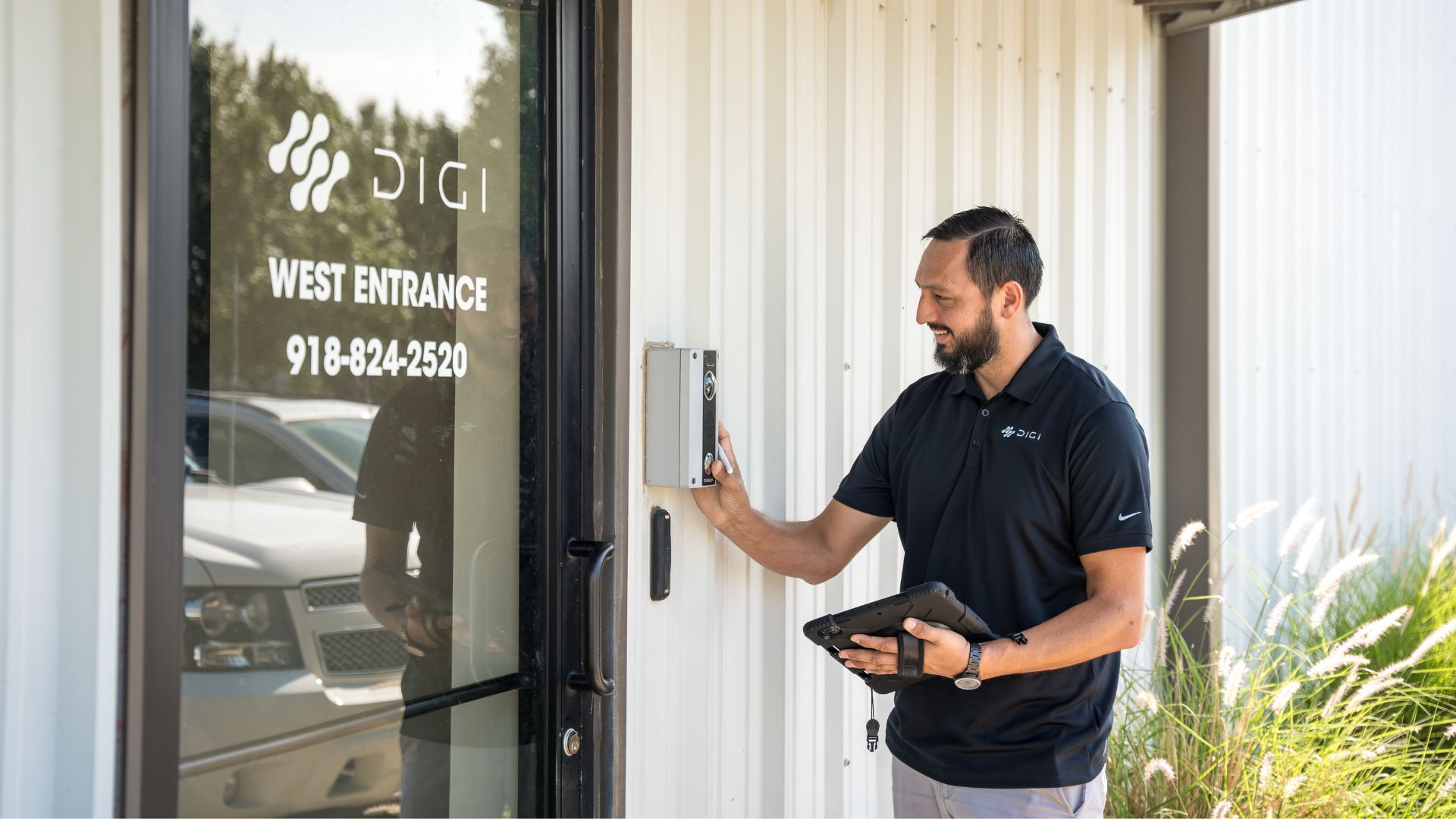
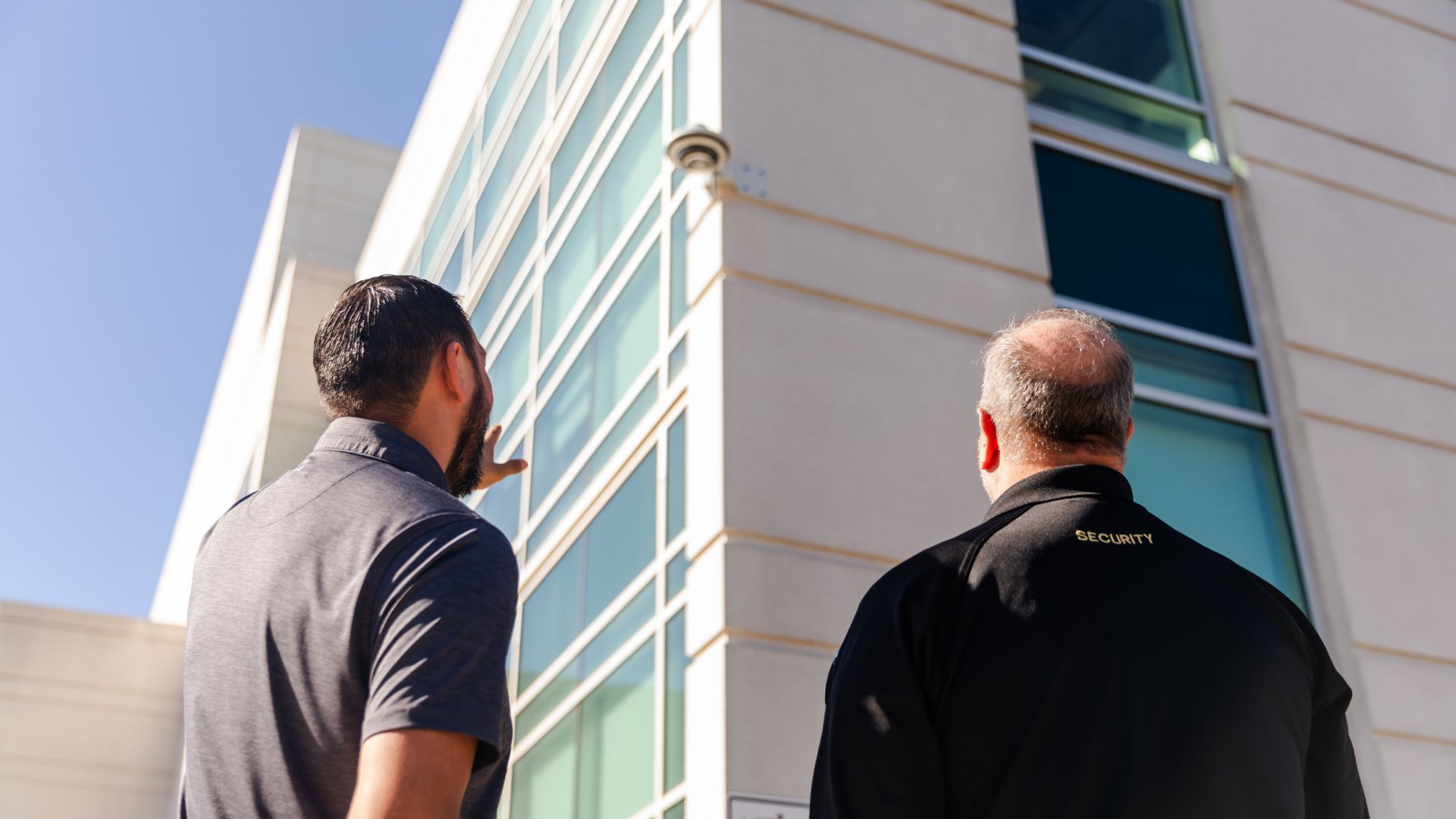
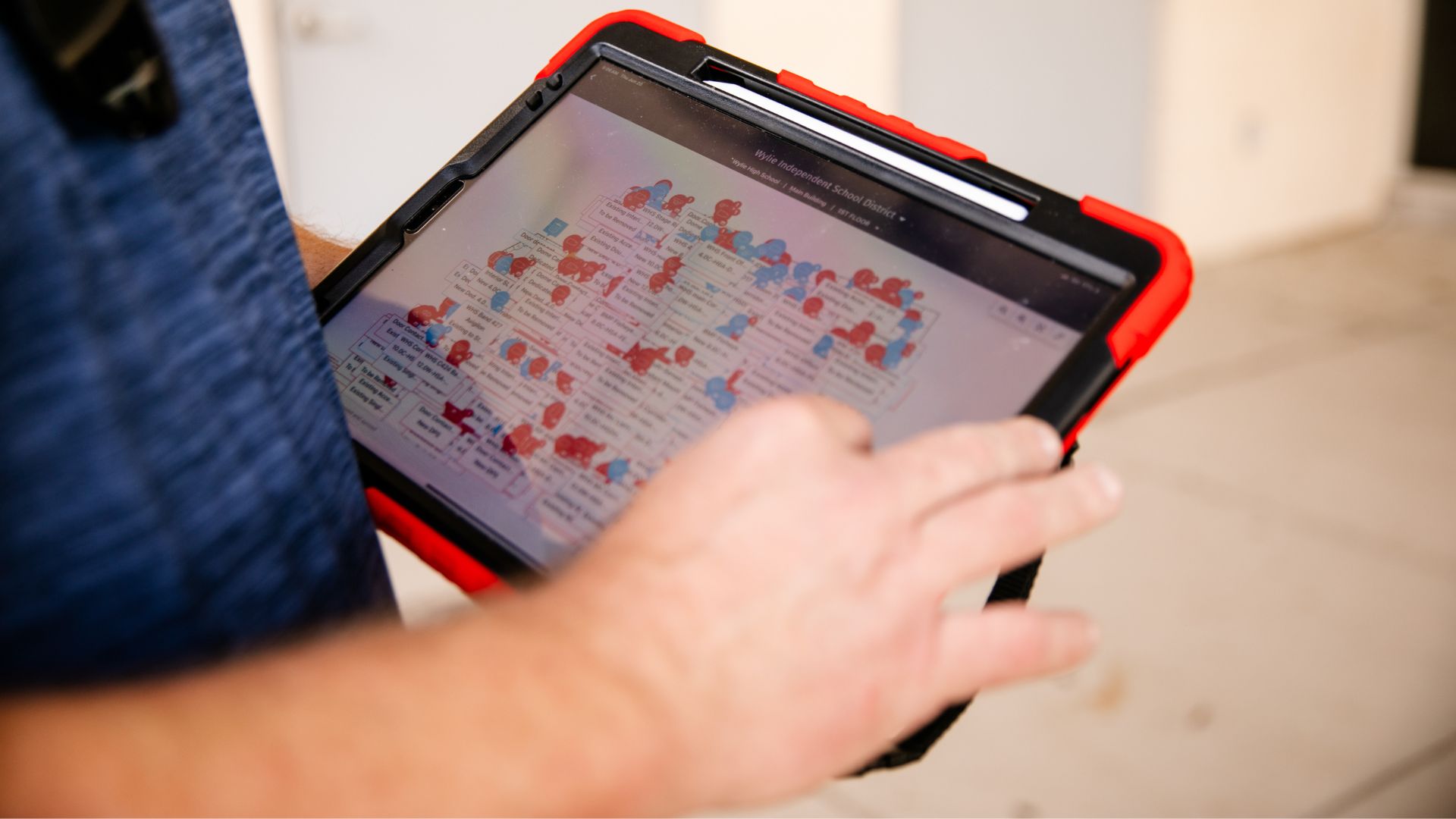
Getting started begins with a security assessment that maps out a facility's specific vulnerabilities, entry points, and existing equipment. From there, a tailored plan identifies which layers, such as cameras, access control, or analytics, will close the biggest gaps first.
Every facility is different, so a generic security package rarely fits. A courthouse in Dallas has different needs than a water utility in Springdale or a manufacturing plant outside Tulsa. The right approach starts by walking the site, documenting equipment and layout, and identifying where the current setup falls short.
From there, priorities usually fall into a few categories. Facilities with high foot traffic, like government offices, often need stronger access control and visitor management first. Manufacturing sites with valuable equipment tend to prioritize perimeter monitoring and after-hours coverage. Utilities and remote sites typically benefit most from cloud-based systems that allow oversight without full-time staffing.
Budget also plays a role, and this is where public sector purchasing options matter. Oklahoma institutions can use state contract SW1048D, and Texas institutions can use HGAC and TIPS contracts to streamline procurement and get equipment at dealer-level pricing with one point of contact for the entire project.
Frequently Asked Questions
What is considered critical infrastructure for security purposes?
Critical infrastructure includes government buildings, courthouses, utilities, manufacturing plants, and healthcare facilities whose disruption would affect public safety or essential services. Any site where downtime creates risk beyond financial loss typically falls into this category.
How much does 24/7 monitoring cost compared to standard security?
Costs vary based on facility size, number of entry points, and which layers of technology are included, such as cameras, access control, or analytics. A security assessment is the best way to get an accurate estimate based on a facility's actual footprint and risk level.
Can existing security cameras be integrated into a 24/7 monitoring system?
In many cases, existing IP-based cameras can be integrated into a broader monitoring platform rather than replaced entirely. A site walkthrough determines what current equipment can be reused and where upgrades are needed.
Does 24/7 monitoring require on-site security staff?
No. Cloud-based systems and remote monitoring centers allow trained teams to watch live feeds and respond to alerts without a guard physically stationed at every facility. This is especially useful for utilities and government sites with limited staffing budgets.
How quickly can a facility respond to an incident with intelligent monitoring in place?
Response times depend on the facility, but the goal is minutes rather than hours. Automated alerts, live camera access, and direct notification to supervisors or law enforcement all shorten the gap between detection and action.
Protecting What Keeps Your Community Running
Downtime at a critical infrastructure site is never just an inconvenience. It is a window of risk that affects public safety, staff wellbeing, and community trust the moment coverage drops. Round the clock monitoring closes that window by catching problems in real time, connecting every layer of security into one system, and giving facility teams the visibility they need to respond before a small issue becomes a costly one.
Digi Security Systems has spent over 20 years designing layered security solutions for the government facilities, manufacturing plants, and public institutions that Texas, Oklahoma, and Arkansas communities depend on every day. We build government security plans around courthouses, utilities, and municipal buildings that need dependable access control and continuous monitoring, and we design manufacturing security systems that protect equipment and staff without slowing down production. Every plan starts with a walkthrough of your site, so the layers we recommend, from video surveillance and analytics to cloud-based alerts, match how your facility actually operates. If your critical infrastructure needs coverage that never clocks out, schedule a security assessment with our team today.