

Choosing a commercial physical security framework involves far more than picking cameras and mounting them to a wall. For facilities managers, school administrators, and operations directors, a security system is a long-term infrastructure investment. If designed incorrectly, it leads to blind spots, compliance penalties, and hardware that fails when you need it most.
A reliable setup requires a unified plan that connects hardware, software, and local wiring standards into a single, easily managed platform.
What Does True Commercial Integration Look Like?
Many properties operate with fragmented security. The cameras run on one app, the badge readers run on a legacy computer in a closet, and the fire alarms operate on an entirely separate panel. This setup slows down response times during emergencies.
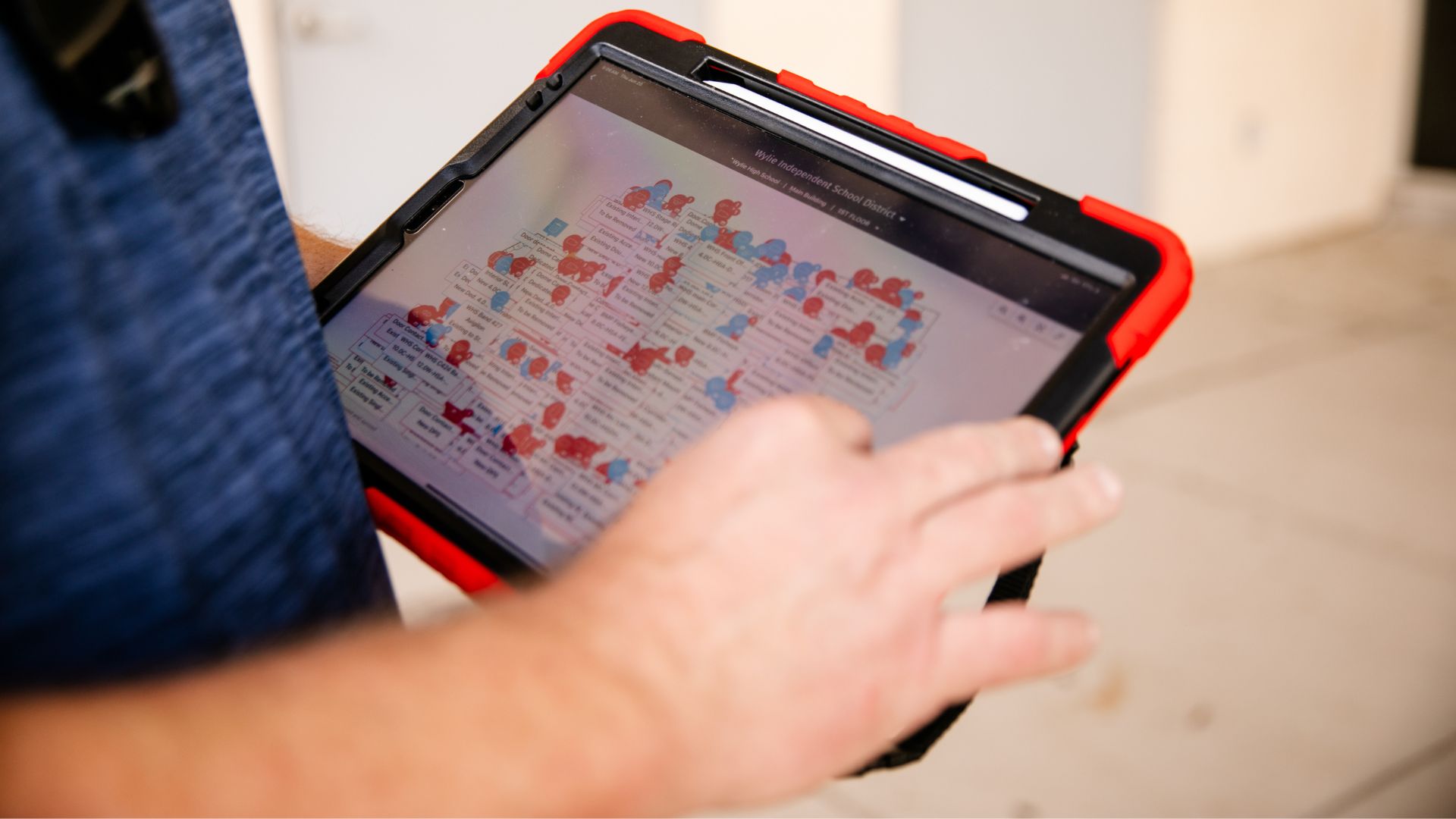
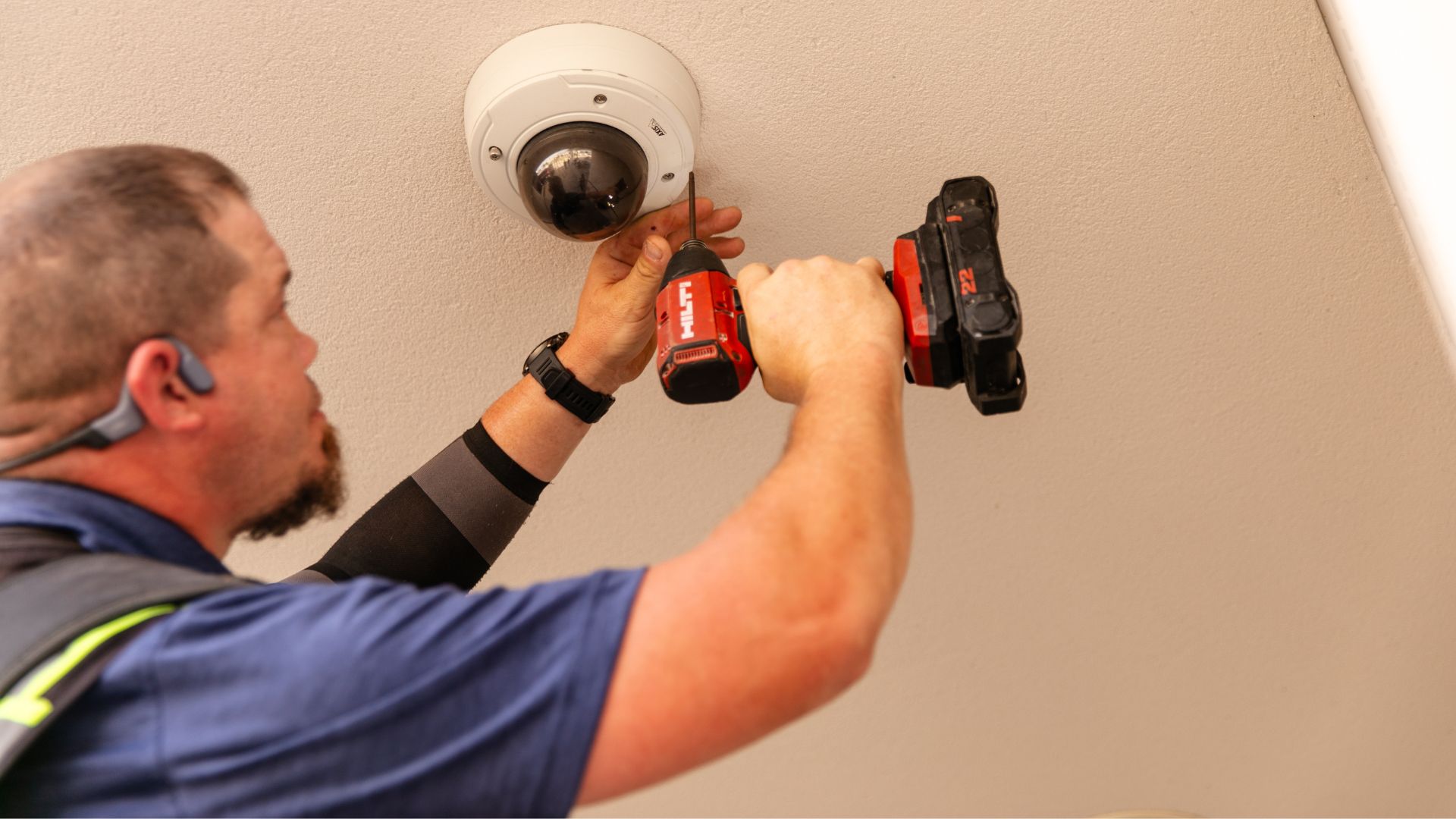
Modern commercial security relies on unified platforms. When an unauthorized person tries to force open a door, the access control system alerts the monitoring desk while simultaneously forcing the nearest dome camera to pan, tilt, and zoom directly onto that doorway.
This automated chain of events removes human error. Security personnel do not have to waste time switching screens or searching through timestamps to find the incident. Everything happens instantly inside a single dashboard.
What Does True Commercial Integration Look Like?
True commercial integration means linking all separate security parts into a single, automated operating network. Instead of managing your video tools, badge readers, and environmental alarms on different applications, an integrated platform combines them so they share real-time data. This setup removes human error during emergencies and speeds up response times when every second matters.
Many properties operate with fragmented security. The cameras run on one app, the badge readers run on a legacy computer in a closet, and the fire alarms operate on an entirely separate panel. This setup slows down response times during emergencies. When an incident occurs, staff members must waste valuable minutes jumping between different software screens to piece together what happened.
Modern commercial security systems installation relies on unified platforms. When an unauthorized person tries to force open a door, the access control system alerts the monitoring desk while simultaneously forcing the nearest dome camera to pan, tilt, and zoom directly onto that doorway. The system presents the live video feed alongside the building map on one screen.
This automated chain of events removes human error. Security personnel do not have to waste time switching screens or searching through timestamps to find the incident. Everything happens instantly inside a single dashboard, allowing your team to dispatch local law enforcement or initiate a facility lockdown with one click.
If an installer uses cheap, unshielded wire near fluorescent lighting fixtures or heavy electrical panels, electromagnetic interference will degrade the video signal. Professional commercial security systems installation projects require careful cable pathways that avoid these high-voltage fields.
Why Is Proper Network Cabling Essential for System Reliability?
Proper low-voltage cabling design serves as the physical foundation for your entire corporate security network. Without reliable data lines, even the most expensive high-definition cameras and smart door locks will suffer from dropping video feeds or lagging access logs. A professional installation prioritizes clean cable layouts to protect your data from environmental interference and unexpected network drops.
When businesses experience technical glitches with their security tools, the culprit is rarely the camera or the software. Instead, it is usually poor wiring design. Security systems handle large amounts of continuous data, and they require stable, commercial-grade pathways to transmit that information back to your central servers without interruption.
Integrators use strict cable selection standards to protect your investment:
- Category 6 (Cat6) Cabling: The standard choice for modern video networks, built to handle fast data speeds over long distances without performance drops.
- Power over Ethernet (PoE): This technology sends both power and data down a single network cable, removing the need to install separate electrical outlets near every camera.
- Fiber Optic Backbones: Used for large industrial complexes or multi-building corporate campuses where standard copper cables lose signal strength due to distance.
If an installer runs cheap, unshielded wire near heavy electrical panels or fluorescent lighting fixtures, electromagnetic interference will degrade the system's performance. Professional installers design dedicated cable pathways that avoid these high-voltage fields, keeping your systems running smoothly in busy commercial environments.
Camera placement also requires an understanding of lighting dynamics. Exterior parking lot cameras must feature True Wide Dynamic Range (WDR). This feature balances out bright headlights and deep nighttime shadows, ensuring license plates remain readable in total darkness.
What are the Modern Rules for Business Access Control Systems?
Physical keys are an operational risk. If an employee loses a brass key, rekeying an entire office building costs thousands of dollars. Modern business access control systems replace physical locks with digital credentials that managers can revoke instantly.
The hardware holding your doors locked must match your daily traffic patterns and safety codes. Magnetic locks (maglocks) use powerful electromagnetic fields to keep doors shut, requiring continuous power. Electric strikes, on the other hand, keep a door mechanically locked until electricity is applied.
This technical difference matters during emergencies. If a building loses power during a storm or electrical fire, maglocks must automatically drop their power to unlock doors along evacuation routes, keeping your business compliant with local life-safety regulations.
How Do Environmental Sensors Protect Against Non-Human Threats?
Property damage does not just come from break-ins. Floods, overheating server closets, and chemical leaks cause catastrophic financial losses every year.
Integrating environmental sensors into a commercial security system turns a theft-prevention platform into a complete facility protection system.
- Water Detection Probes: Placed beneath breakroom sinks, inside utility closets, and around basement sumps to catch plumbing failures before floors are ruined.
- Temperature Monitors: Set up inside IT closets and cold-storage areas to alert facilities managers the moment an air conditioning unit fails.
- Vape and Smoke Detectors: Installed in private areas like restrooms or school locker rooms where cameras cannot legally go, helping administrators enforce facility rules.
Why Partner with Digi Security Systems?
Partnering with Digi Security Systems gives your facility access to industry-leading expertise in custom security engineering and long-term network reliability. Digi Security Systems specializes in creating custom commercial security frameworks that protect properties across Texas, Oklahoma, and Arkansas. We focus on building scalable systems that solve real operational challenges for modern facilities.
With over 4,000 completed projects and more than 300,000 devices installed, Digi Security Systems builds frameworks tailored to your specific industry constraints. Whether you need to secure a single corporate headquarters or protect tens of thousands of school children, our engineering teams manage the entire process from initial design to final deployment.
What sets Digi Security Systems apart is our total commitment to complete project ownership. We handle the initial low-voltage cabling design, select the right hardware, install the unified monitoring software, and provide ongoing local support. This ensures your systems remain secure, compliant, and ready to protect your people and assets around the clock.
A well-designed commercial security layout protects your physical property, lowers your liability, and keeps your operations running without interruption. By investing in proper low-voltage cabling, unified monitoring software, and compliant door hardware, you build a system that stands up to daily use and severe weather alike.
If you are ready to fix vulnerabilities in your existing setup or design a brand-new facility layout, contact Digi Security Systems today to speak with a dedicated design engineer and visit Digi Security Systems to explore tailored commercial security solutions, schedule a consultation, and take the next step toward protecting your facility with confidence.