Modern license plate recognition for law enforcement turns passing vehicle traffic into real-time, searchable data. By connecting specialized cameras with video surveillance, dispatch platforms, and state hotlists, agencies can identify stolen vehicles, locate missing persons, and resolve investigations faster.
Automated license plate recognition technology has changed how public safety agencies protect neighborhoods, monitor transit corridors, and resolve active investigations. Rather than relying on manual vehicle lookups or fragmented camera feeds, modern police departments and sheriff offices utilize automated plate sensors and intelligent analytics to identify suspect vehicles instantly.
At Digi Security Systems, we work directly with police chiefs, county sheriffs, and municipal facilities managers across Texas, Oklahoma, and Arkansas to design and deploy license plate recognition for law enforcement. With more than 20 years of experience integrating public safety infrastructure, we know that standalone cameras are not enough. Modern agencies need connected, intelligent platforms that deliver real-time alerts without overwhelming patrol officers or investigators with false alarms.
Key Takeaways for Agency Leadership
- Accelerated Investigation Timelines: Automated vehicle plate tracking converts hours of manual video review into instant, searchable leads, allowing detectives to establish suspect timelines within minutes.
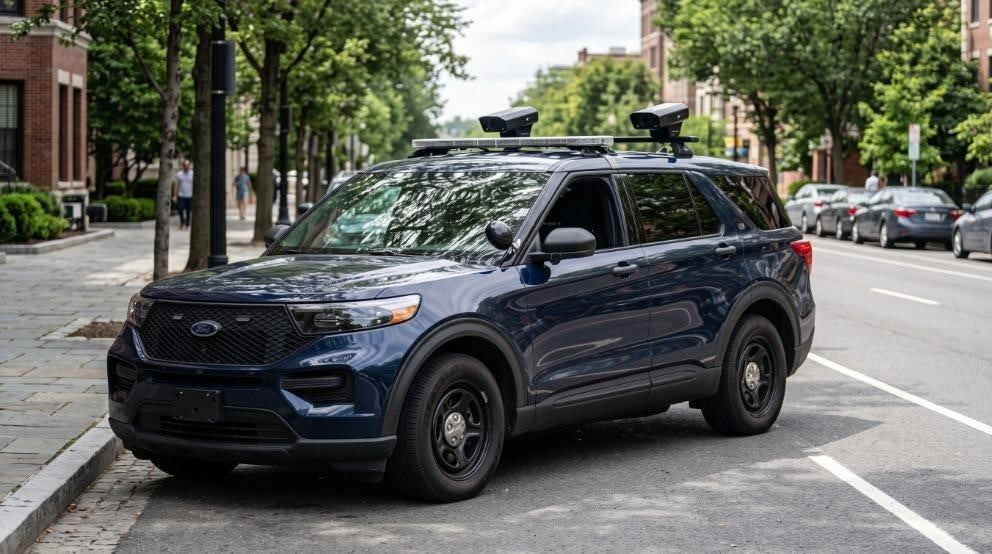
- Force Multiplication: Fixed and mobile optical sensors capture license plates and vehicle characteristics around the clock, expanding patrol coverage across major thoroughfares and municipal borders.
- Layered Integration: ALPR delivers the highest operational value when unified with regional layered security solutions, including access control, video surveillance, and centralized dispatch centers.
- Responsible Governance: Strict role-based access, automated audit logs, and clear data retention schedules safeguard public trust while meeting state regulatory requirements.
How Does License Plate Recognition Work in Modern Policing?
Automatic License Plate Recognition uses high-speed optical cameras combined with optical character recognition software and machine learning algorithms. As vehicles pass through designated intersections, school zones, or municipal perimeters, the camera captures high-resolution infrared and color images of the front or rear license plate.
The system converts the optical plate image into alphanumeric data within fractions of a second. This text is checked automatically against local, state, and national hotlists, including the National Crime Information Center, state law enforcement databases, and active Amber Alert bulletins. If a vehicle associated with a stolen plate, wanted individual, or missing person passes a sensor, dispatchers and patrol units receive an instantaneous alert detailing the plate number, vehicle make, color, direction of travel, and timestamp.
Independent research published by the Manhattan Institute examines how ALPR helps agencies generate objective leads in time-sensitive investigations and recover stolen vehicles, and why clear rules for its use matter just as much as the technology itself.
How Does LPR Work With Video Surveillance and Real-Time Alerts?
Standalone plate readers can flag an entry or exit, but they cannot provide the complete context of an evolving incident. To build airtight cases and maintain true situational awareness, agencies connect license plate readers to wide-angle contextual cameras, perimeter pan-tilt-zoom units, and regional traffic monitoring networks.
When an LPR camera captures a hit on a suspect vehicle in Texas, Oklahoma, or Arkansas, an integrated platform immediately pulls the surrounding video feeds. This allows dispatchers and investigators to see accompanying vehicles, occupant descriptions, and specific driving behaviors in real time. Unifying these technologies into a single interface eliminates the delay of searching through disconnected video recorders across different municipal departments.
What Are the Primary Public Safety Applications for LPR?
Municipalities and county agencies deploy license plate readers across several specialized operational scenarios:
1. Solving Violent Crime and Property Offenses
Vehicles are involved in many serious crimes, from burglaries to robberies. LPR systems establish verifiable timelines that place a suspect vehicle in the immediate vicinity of a burglary, robbery, or assault. Investigators can search historical plate logs using partial plate numbers, vehicle color, or specific time windows to identify lead suspects in minutes rather than weeks.
2. Recovering Stolen Vehicles and Deterring Auto Theft
Vehicle theft impacts community insurance rates and frequently fuels secondary crimes. With real-time hotlist matching, patrol officers receive automated notifications when a stolen vehicle enters their sector, enabling safe, coordinated interdictions before the vehicle is stripped or used in other offenses.
3. Protecting Critical Infrastructure and School Zones
Campus safety directors and municipal leaders utilize perimeter LPR to monitor traffic around sensitive facilities, courthouses, and K-12 school campuses. Known trespassers, unauthorized custody violators, or vehicles flagged for suspicious activity generate immediate perimeter alerts before individuals reach building entrances.
4. Locating Missing Persons and Vulnerable Citizens
When Silver Alerts or Amber Alerts are issued, every minute matters. LPR networks scan thousands of plates per hour across regional highways, alerting officers immediately when a missing senior citizen or abducted child is in transit.
What Are Common Mistakes Agencies Make When Deploying LPR?
Deploying public safety technology requires strategic planning. Over our two decades working with municipal clients, we have identified several common pitfalls that agencies should avoid:
- Deploying Siloed, Proprietary Systems: Installing cameras that cannot share data with existing video management software or neighboring county systems locks agencies into rigid platforms. Open-architecture integration is essential for regional cooperation.
- Neglecting Camera Placement and Lighting Angles: Plate recognition cameras require precise optical calibration, correct shutter speeds, and specific mounting heights to capture plates accurately at high speeds in rain, fog, or darkness.
- Overlooking Data Governance and Privacy Policies: Without clear data retention periods, role-based user permissions, and independent audit trails, agencies risk losing community support. As outlined by the Security Industry Association (SIA), establishing transparent, accountable operational guidelines is a core pillar of modern public safety tech deployment.
- Failing to Plan for Long-Term Maintenance: Highway vibration, severe weather across Texas and Oklahoma, and dust accumulation can degrade optical sensors. Agencies need a reliable regional service partner who handles ongoing maintenance, optical recalibration, and firmware updates.
How Should LPR Be Deployed Across Cities, Counties, and Campuses?
Every community has distinct geographic and operational requirements. We tailor license plate recognition and surveillance deployments to match specific agency structures:
| Environment | Deployment Focus | Key Integration Technologies |
|---|---|---|
| Municipal Police Departments | Major arterial intersections, retail corridors, high-crime hot spots, and city entrance/exit choke points. | Real-time CAD/dispatch integration, fixed LPR optical sensors, mobile in-car cameras, and centralized video walls. |
| County Sheriff Offices | Unincorporated highway corridors, courthouse perimeter security, county jail access points, and rural county borders. | Solar-powered remote LPR stations, long-range wireless links, access control gates, and county-wide search databases. |
| School Districts & Universities | Campus perimeter driveways, staff and student parking lots, bus depots, and parent drop-off loops. | Visitor management integration, panic alarm systems, automated gate controls, and Alyssa's Law compliant alerting. |
Why Choose Digi Security Systems for Law Enforcement Solutions?
At Digi Security Systems, we believe that people are our purpose. For more than 20 years, we have served as the trusted technology partner for law enforcement agencies, county governments, school districts, and enterprises across Texas, Oklahoma, and Arkansas.
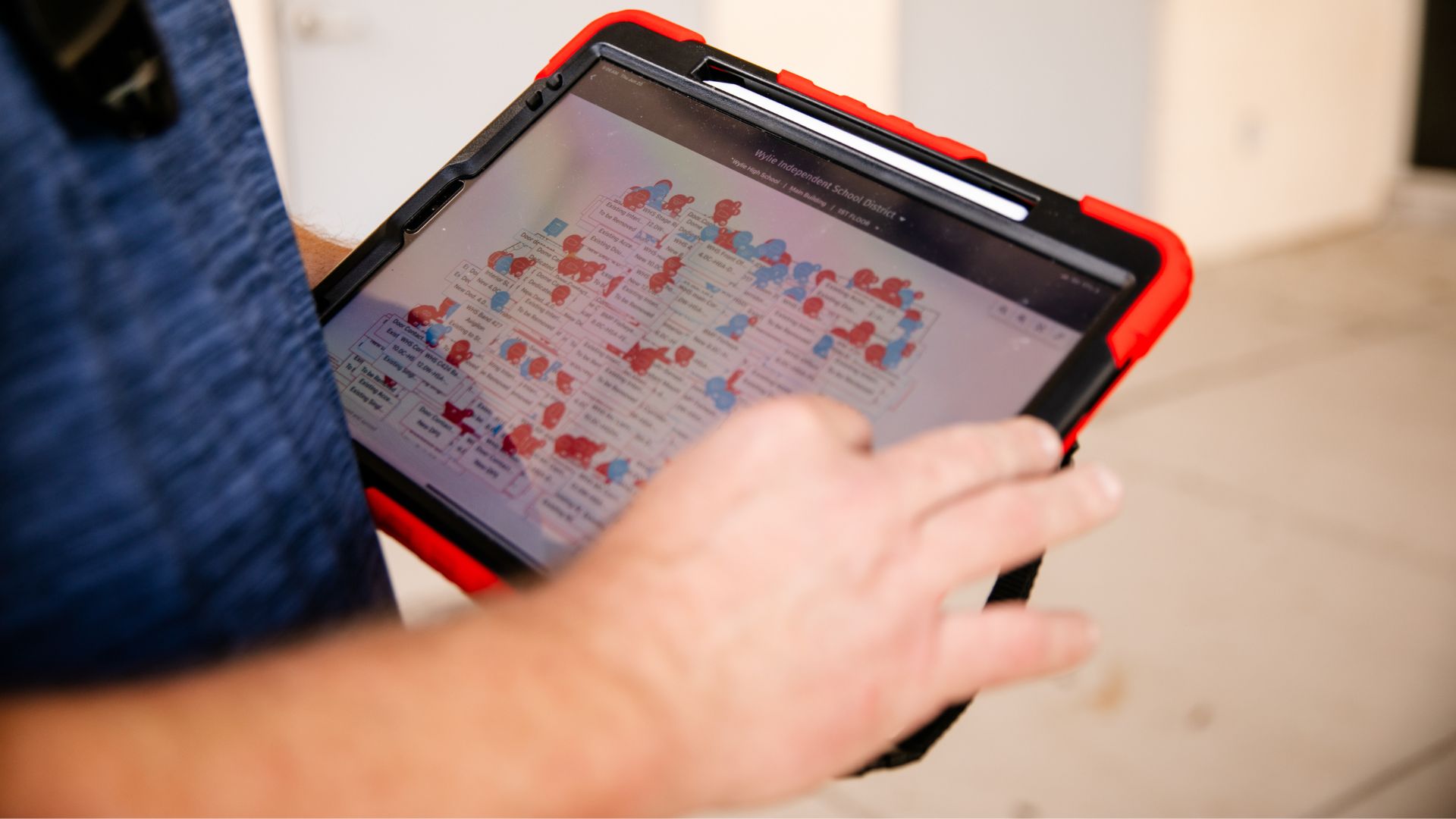
We do not sell pre-boxed, one-size-fits-all hardware. We walk every street corner, intersection, and municipal facility with agency leadership to design custom, layered security architectures. From initial site surveys and network bandwidth assessments to equipment installation and operator training, we manage every detail.
Public institutions across the region also benefit from our streamlined purchasing agreements. We maintain active state purchasing contracts, including TIPS, HGAC, and Oklahoma OMES contracts, allowing police departments and county governments to acquire top-tier equipment at competitive pre-negotiated pricing without lengthy bid delays.
Build a Safer Community with Digi Security Systems
Strengthening public safety requires dependable technology, accurate real-time data, and experienced integration partners. Whether your agency needs to expand perimeter awareness at major city gateways or integrate citywide video surveillance with intelligent analytics, Digi Security Systems delivers the expertise and support your community deserves.
Ready to upgrade your agency's investigative capabilities? Contact the security experts at Digi Security Systems today to schedule an on-site consultation and live technology demonstration.
Frequently Asked Questions About Law Enforcement LPR Systems
How accurate are modern license plate recognition cameras in low-light conditions?
Modern commercial-grade LPR cameras utilize specialized infrared illuminators and fast shutter sensors designed specifically for reflective license plates. They capture crisp, readable images in total darkness, heavy rain, and at highway speeds when the cameras are properly placed and calibrated.
Can LPR data be integrated with our agency's existing video management software?
Yes. We design open-platform architectures that integrate license plate analytics directly into leading video management systems, computer-aided dispatch software, and municipal record management systems for a single unified workflow.
How do agencies ensure public privacy and data security with LPR?
Responsible deployments implement strict administrative controls, including 256-bit data encryption, role-based permission tiers, automatic data purging schedules for non-hit data, and comprehensive audit logs that track every search query.
How do Texas and Oklahoma agencies purchase LPR systems through state contracts?
Agencies in Texas and Oklahoma can purchase directly through established cooperative purchasing programs such as TIPS, HGAC, and Oklahoma OMES state contracts, avoiding lengthy RFP processes while securing dealer-level pricing.